
How to Get Court Records
Venue comes first in any Newton County request. The District Clerk holds the district criminal, civil, family, and juvenile files. The County Clerk keeps County Court criminal, civil, probate, and mental-health files. Each justice court and Newton Municipal Court maintains its own lower-court records. Neither county clerk works as a universal records desk.
If an online docket search comes up short, use every channel that fits. TexasOnlineRecords and re:SearchTX are the online options. Call before you visit, since County Clerk research space is limited. Requests can also begin by phone or mail. The District Clerk publishes email and fax contacts. Confirm whether the office accepts copy orders that way.
- Identify the court, case type, party, and case number if known.
- Choose the correct clerk or lower-court office.
- Ask to inspect the file or request a plain or certified copy.
- Give the record name and filing date or date range.
- Confirm fees, payment, delivery, and return postage.
Newton County's Split Custody
OCA lists KellPro as the case system for both clerk offices. No public KellPro viewer exists. The official eFileTexas page is a filing channel, not a stand-alone docket reader for case lookup.
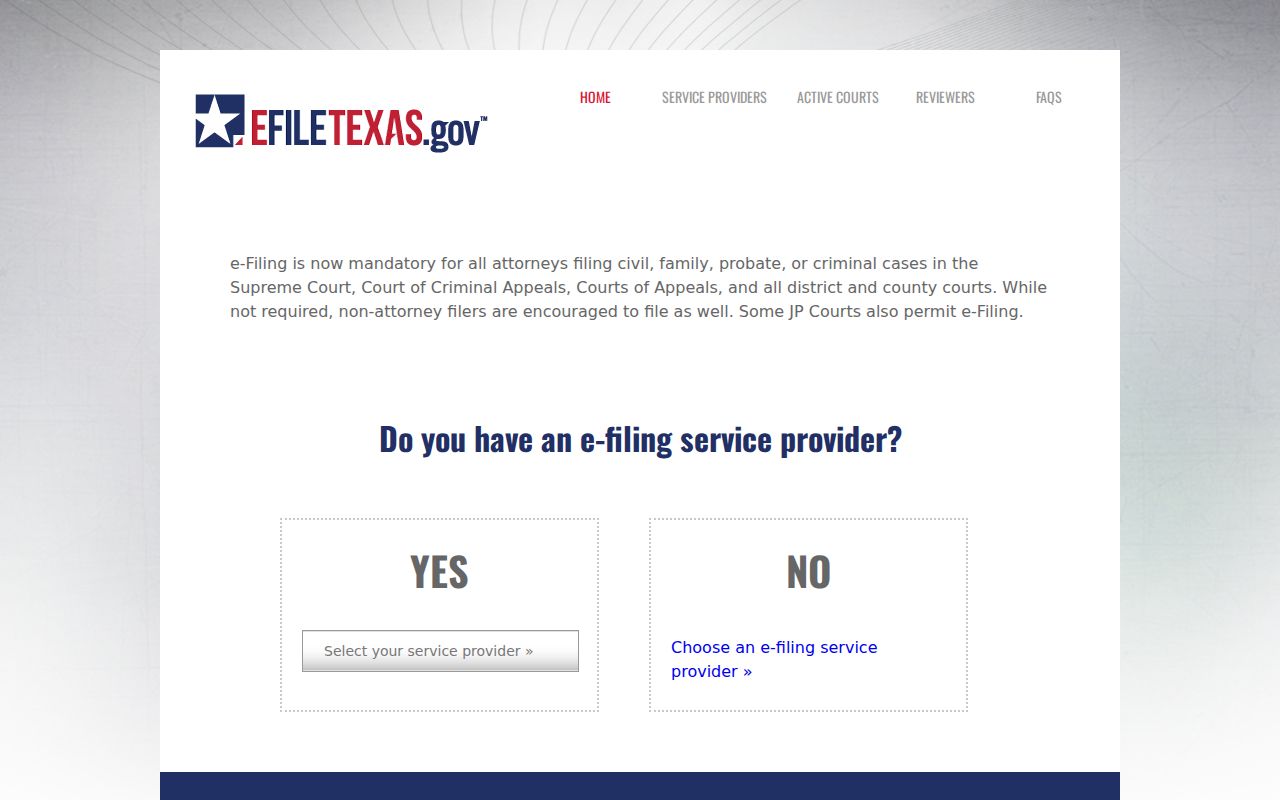
A blank public screen proves little. Filing activity may still exist, so contact the clerk rather than assume there is no Newton County court record.
Newton County Clerk
115 Court Street, PO Box 484
Newton, TX 75966
409-379-5341
Newton District Clerk
110 Court Street, 2nd Floor, PO Box 535
Newton, TX 75966
409-379-3951
Types of Court Records
Think of a docket as the event index. Behind each entry sits a filed document, whether a petition, motion, exhibit, order, or judgment. A certified copy bears the clerk's authentication. Transcripts come from the court reporter rather than the clerk. The office will explain where a record lives and how the process works. It cannot give legal advice.
- Docket sheets and event registers
- Pleadings, motions, responses, notices, and exhibits
- Signed orders, judgments, and dispositions
- Probate, family, mental-health, and juvenile files where access permits
- Plain copies, certified copies, abstracts, writs, and process
Older records survive elsewhere. The Texas State Archives inventory lists historical Newton District Clerk records covering 1847 through 1898.
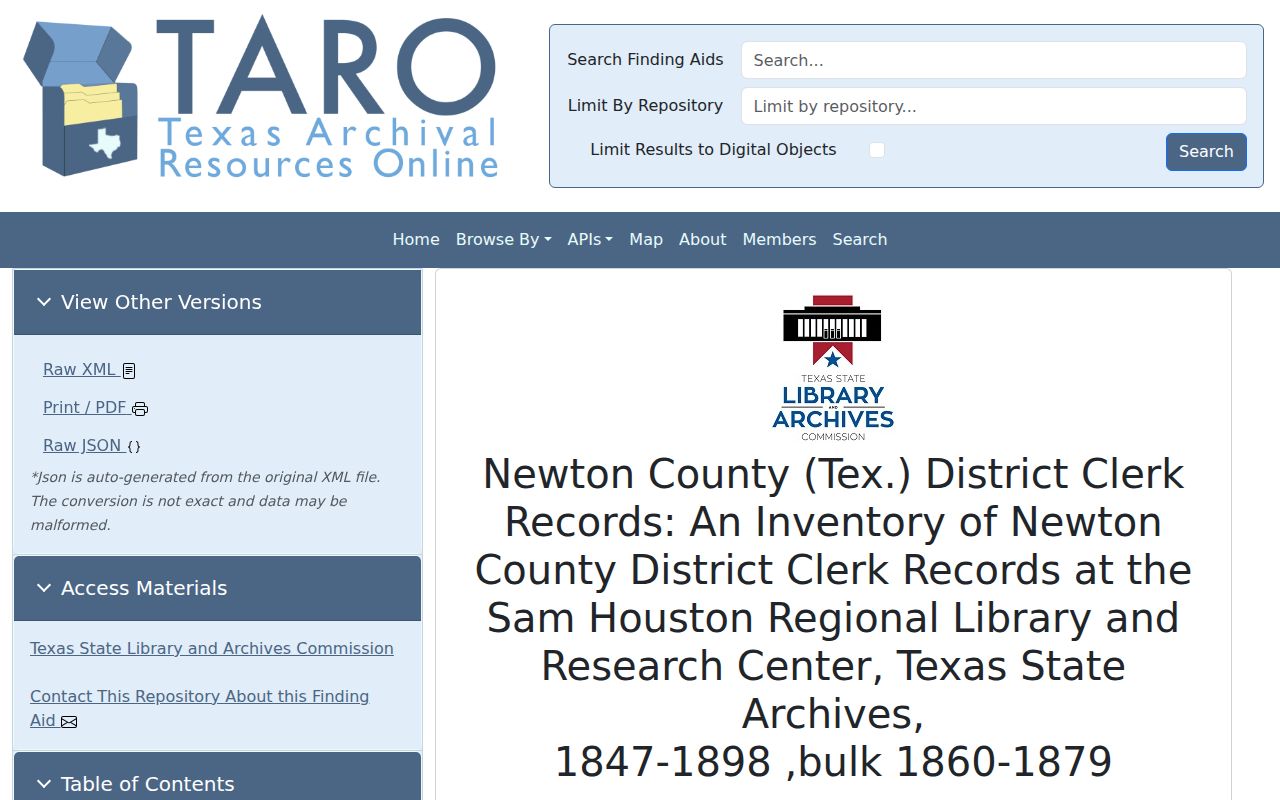
Historical researchers have a fallback. When a docket book is absent from modern systems, cite the record type and its date span so an archivist or clerk can locate the material.
Newton County Online Documents
The County Clerk links to TexasOnlineRecords, which offers public-record and transaction routes.
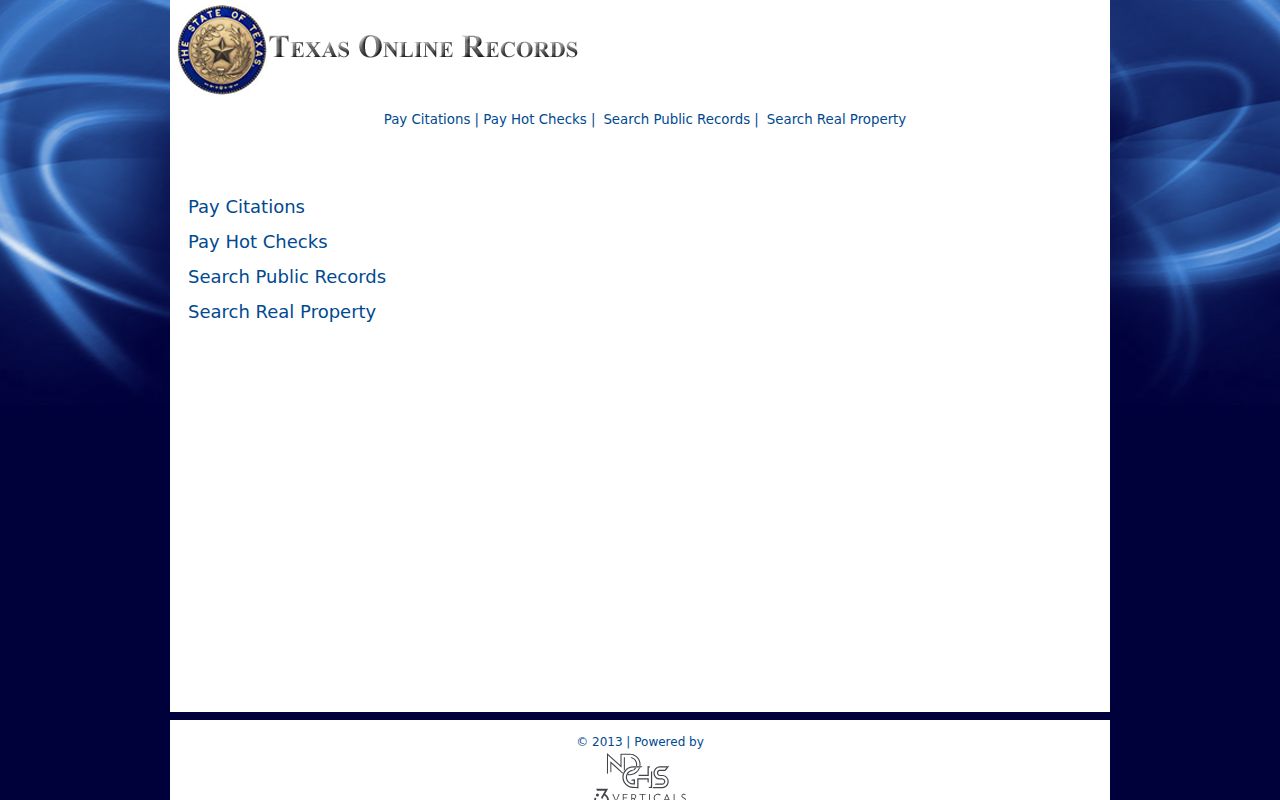
Vendor instructions cover login, case search, Transactions, a cart, and My Documents. That proves little about coverage. The county posts no local image price list. The Newton County login screen shows the account boundary you face before any results appear.
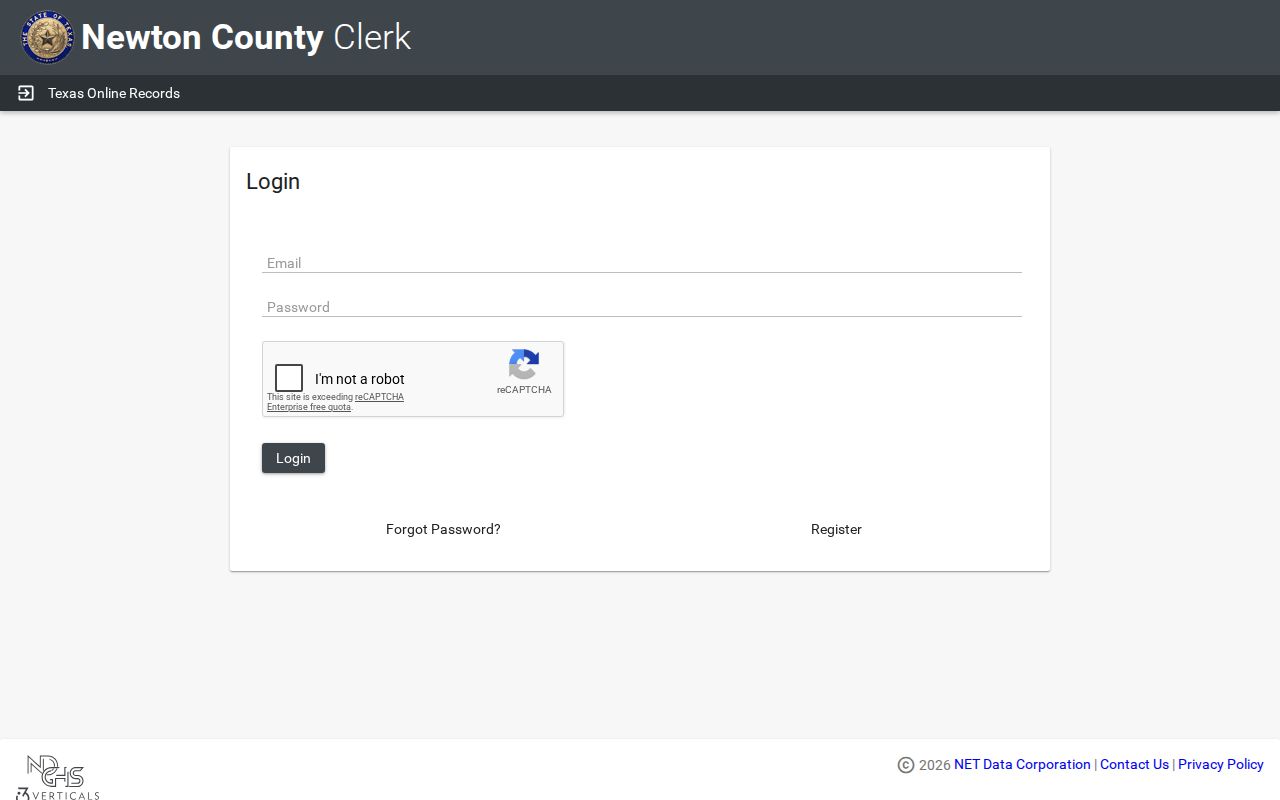
Registration may let you complete a transaction. The clerk is still the source for coverage questions, certification, and anything inaccessible. The official clerk page lists the office's identity, hours, department tabs, and its appointment warning.
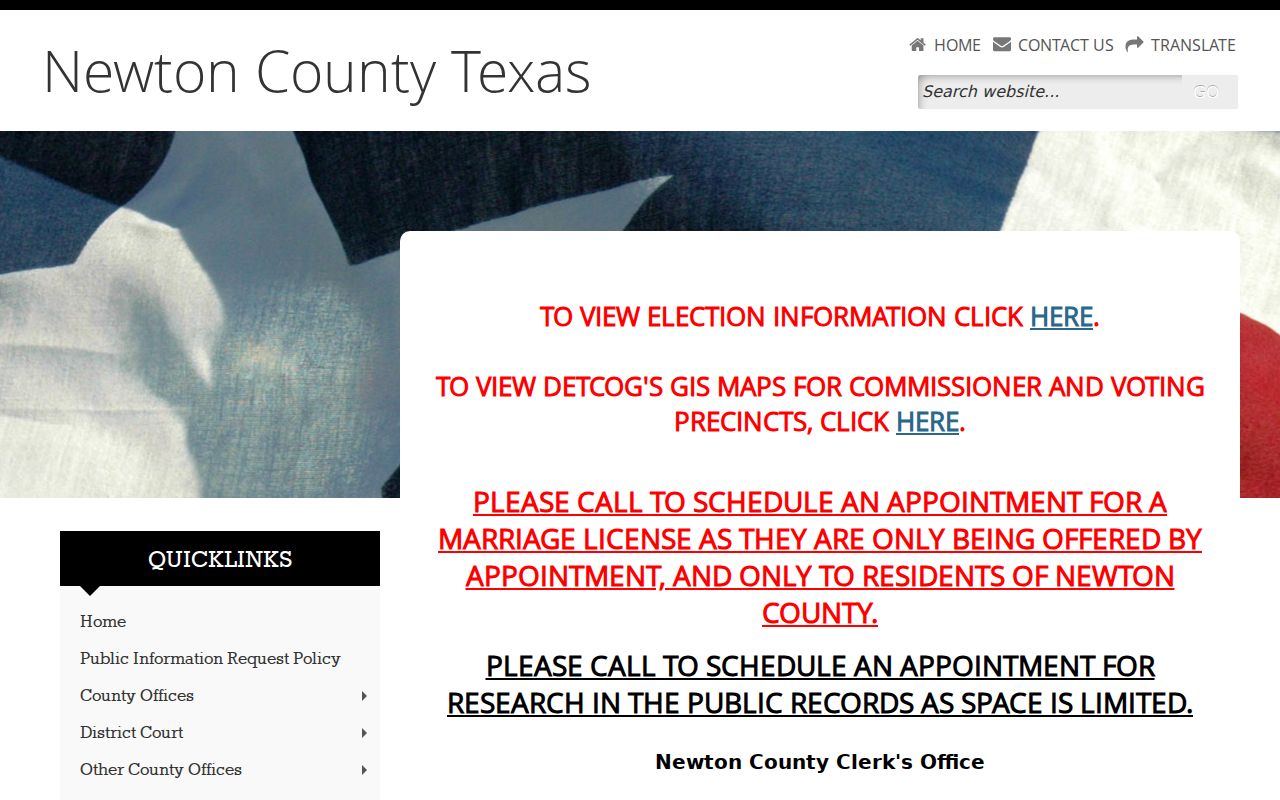
Its contact form has no fields for copy type, case number, delivery, or payment. Put those details in the message itself. Ask the office to confirm its process.
What a Court Record Contains
A Newton County file can mix header data, parties, an event register, settings, linked documents, financial entries, and a disposition. The county posts no sample docket or case-number code list. Enter the number exactly as shown on the notice.
| Header | Case number, filed date, court, judge, type, caption, and status |
|---|---|
| Parties | Plaintiff or petitioner, defendant or respondent, and attorneys |
| Register | Filings, notices, settings, orders, pleas, and judgments |
| Settings | Date, time, court, judge, type, and resets if exposed |
| Documents | Pleadings, motions, signed orders, judgments, and appeal notices |
| Disposition | Recorded outcome, checked against the signed order |
A docket line is just a summary, not the signed order itself, so ask the clerk for the real paper when the terms matter.
Newton County Certified Copies
A download is not automatically certified. The District Clerk fee statute supplies one schedule.
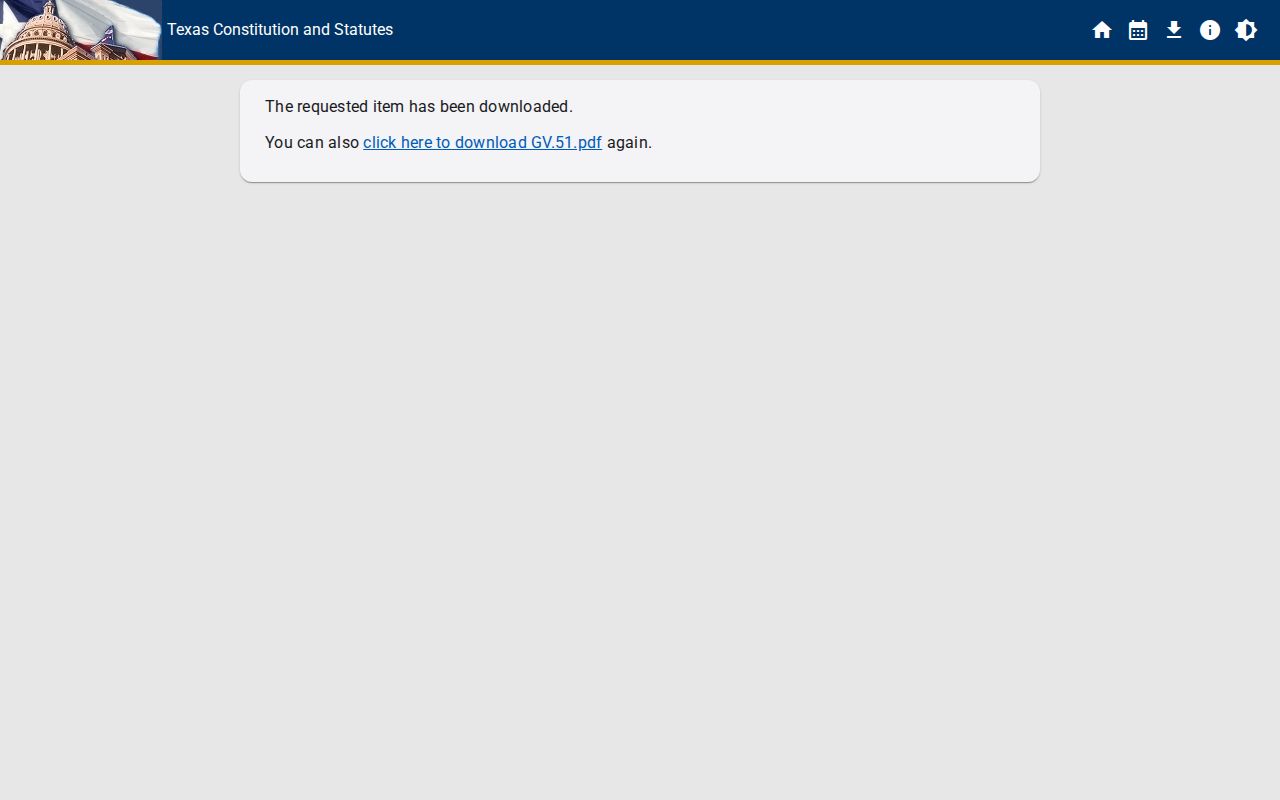
The County Clerk fee statute supplies the other.
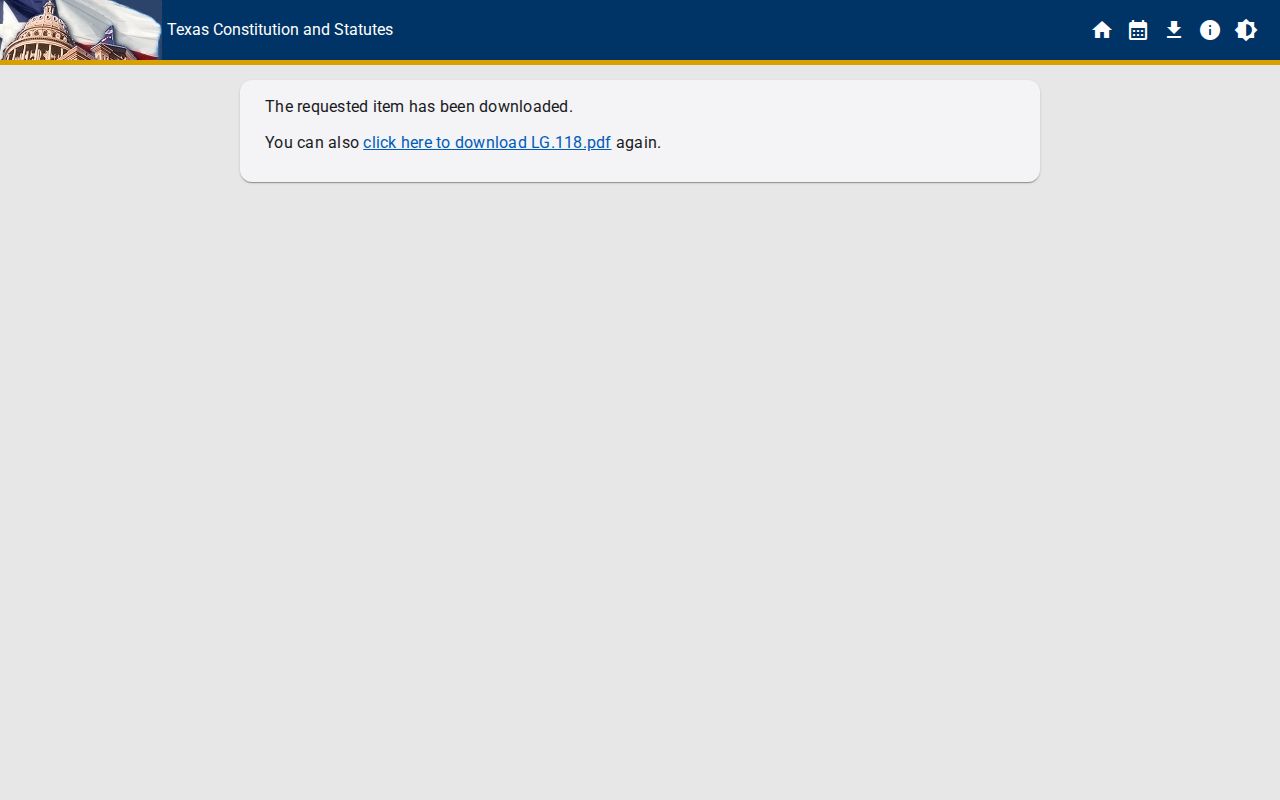
Let the responsible clerk calculate the total and confirm payment before you send anything. The county publishes no local turnaround times or payment methods. Certification matters. An official copy may need to prove a judgment, disposition, or other filed act to another court. Explain why you need an authenticated copy without asking for legal advice. Give the document title and filed date when you can. If the case number is unknown, the district statute allows a search charge. Locating the docket first cuts that cost risk.
No local mail form is published. County Clerk mail goes to PO Box 484, Newton, Texas 75966. District Clerk mail goes to PO Box 535. Add return contact details. Ask about postage, payment, and electronic delivery before sending funds.
The County Clerk lists a fax. The District Clerk lists fax and email. A published contact method does not guarantee the office accepts copy orders that way. Confirm its current practice first.
Certified Copies and Fees
These statutory amounts help you plan a Newton County request. They are not a clerk invoice. Paper, converted electronic, and native electronic copies may carry different prices.
| Item | Amount |
|---|---|
| District search without docket number | $5 |
| District or county certification | $5 plus copy charge |
| Paper or converted electronic copy | $1 per page |
| Native electronic document | $1 through 10 pages, then $0.10 per page |
| Abstract of judgment | $8 |
| Writ, process, citation, or subpoena | $8 including one copy |
Portal document purchases may carry a separate charge. No official Newton source states the amount. Ask for an estimate before you buy.
When a Newton Record Is Missing
A blank result does not mean the Newton County court record is gone. The case may sit with a different office, need registration, or wait on local indexing. Some files live only on paper. Others end up archived, redacted, sealed, or restricted. Before you switch systems, recheck the court named on the pleading or notice.
Call the County Clerk to arrange research space for a County Court file. District cases belong to the District Clerk. A lower-court matter stays with its JP or municipal office. Transcripts and audio are produced separately from the clerk's file. Ask the court or court reporter for those.
A good request names an actual record. Give the court, the case number or style, the date range, and the document name. Add the format you want and whether you need certification. Request a fee estimate and delivery instructions too. If access is denied, ask for the rule, statute, or order behind that decision. Use the review route that applies.
Newton County Records Elsewhere
Newton County appeals go to the Ninth Court of Appeals in Beaumont. Its appellate clerk page lists current contacts.
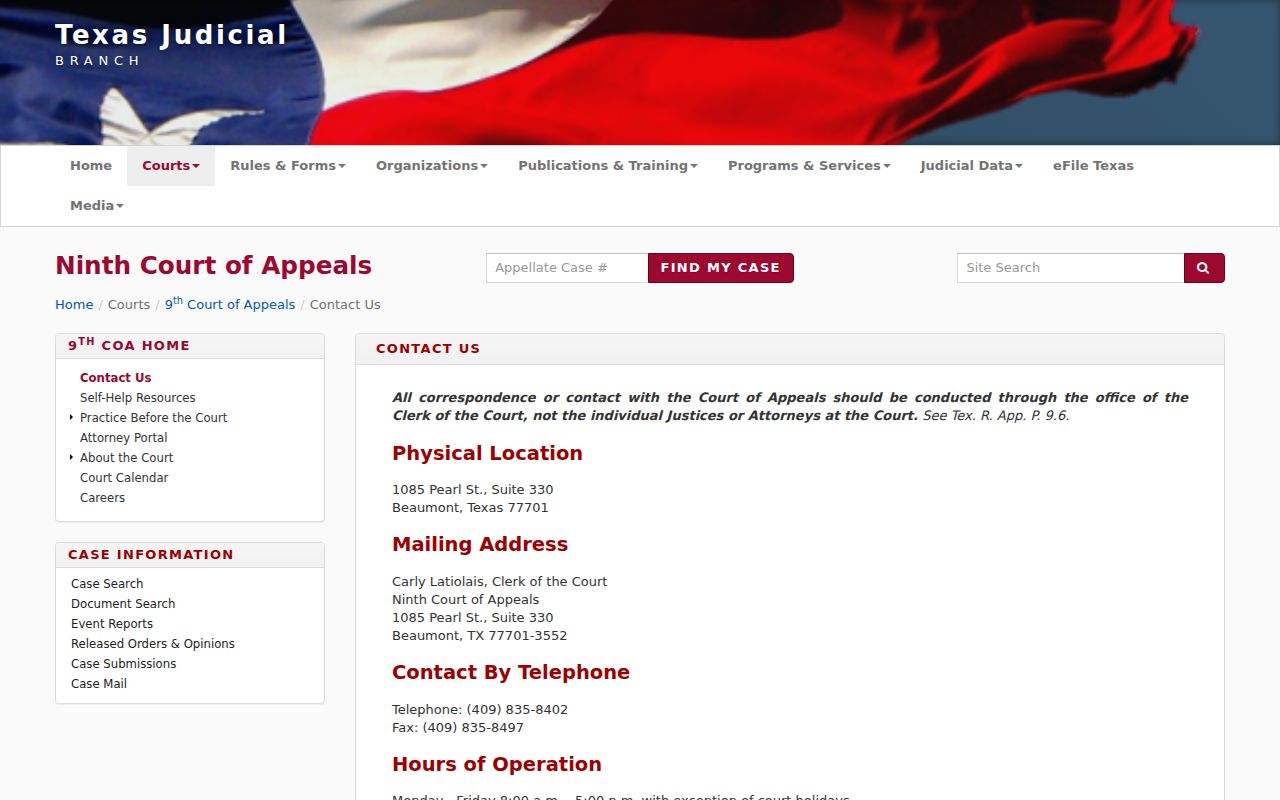
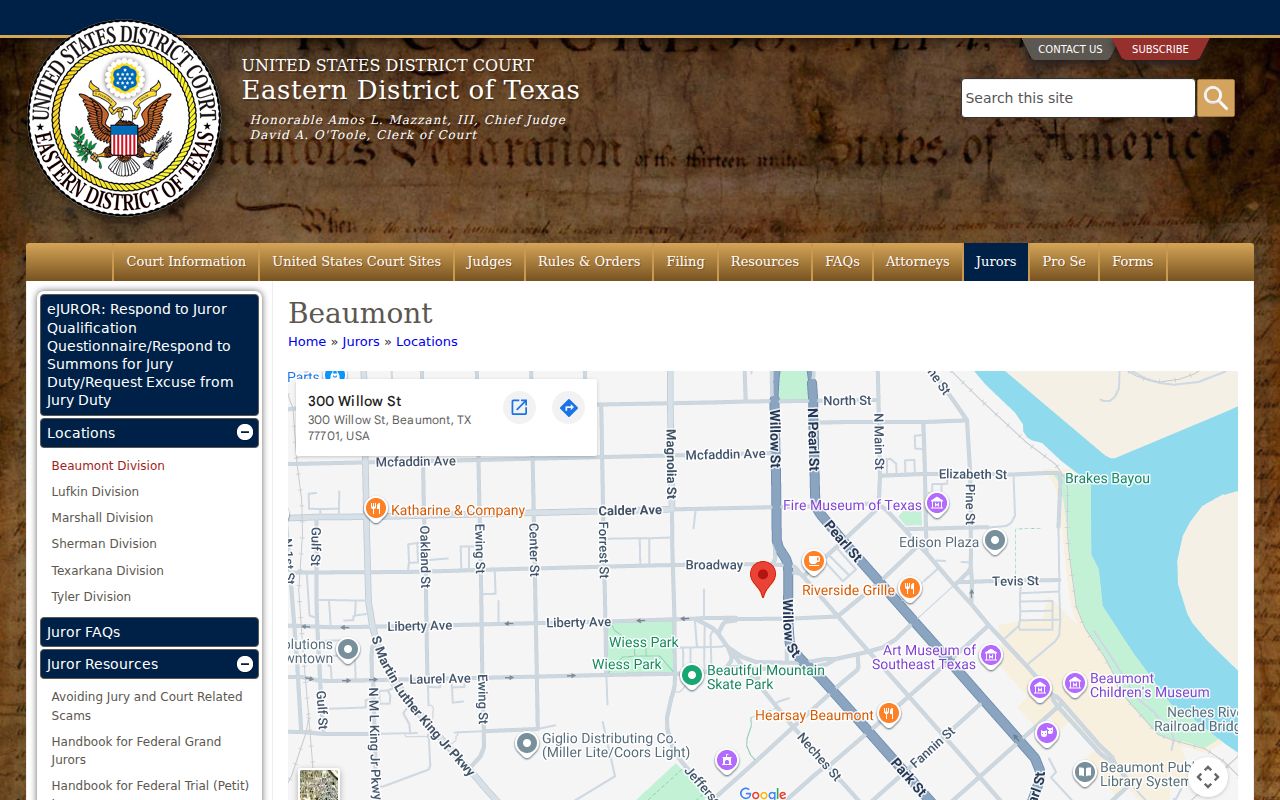
Federal cases are separate. The Eastern District Beaumont page identifies the nearby federal route.
Newton County dockets do not reach federal court, but PACER does. Its pricing page lays out the per-page fees, the caps, and the quarterly waiver.
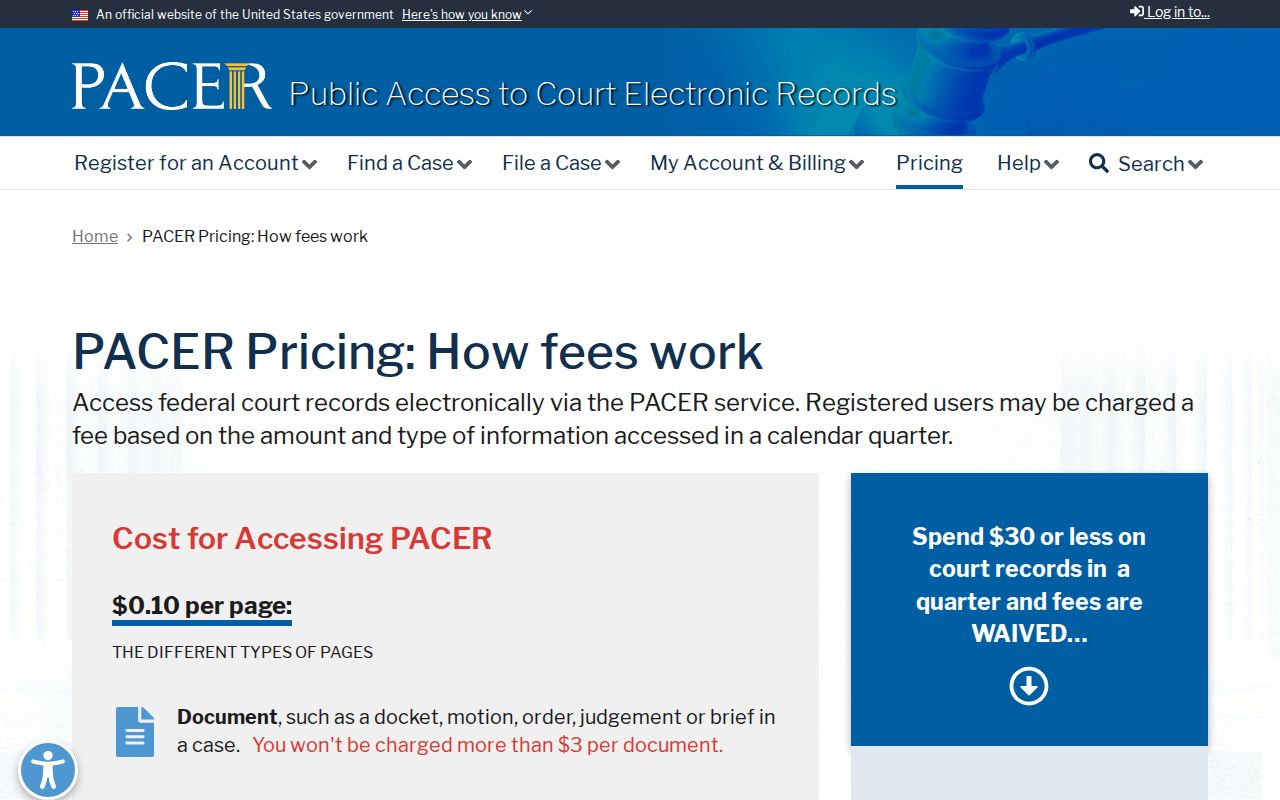
County portals do not contain federal, bankruptcy, or appellate files held by another clerk.
Public Access and Sealed Records
Access rules in Texas work in layers. Rule 12 governs judicial records, not every case file a court holds. The Judicial Branch policy spells out that distinction.
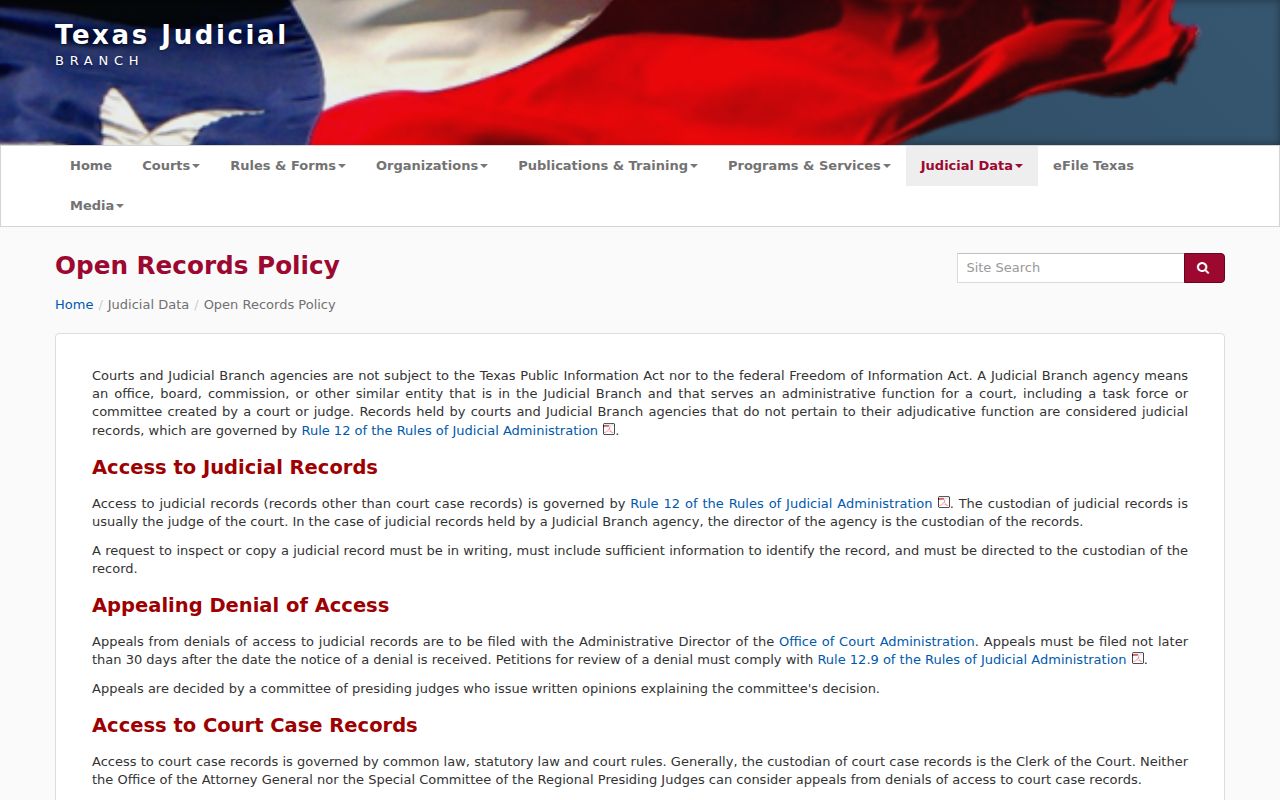
A strong records request names the custodian, court, case, record, and date range. The Texas Public Information Act cannot replace normal court-record procedure.
Key rules: Rule 12 governs covered judicial-record requests. Civil Rules 21c and 76a address sensitive data and sealing. Family Code Chapter 58 restricts juvenile records.
The juvenile statute demonstrates why all fields cannot be public.
Some material stays closed or gets redacted. Think sealed files, expunged cases, juvenile records, protected family matters, and sensitive data. When a clerk withholds something, ask for the public part and the authority behind the denial.